eng
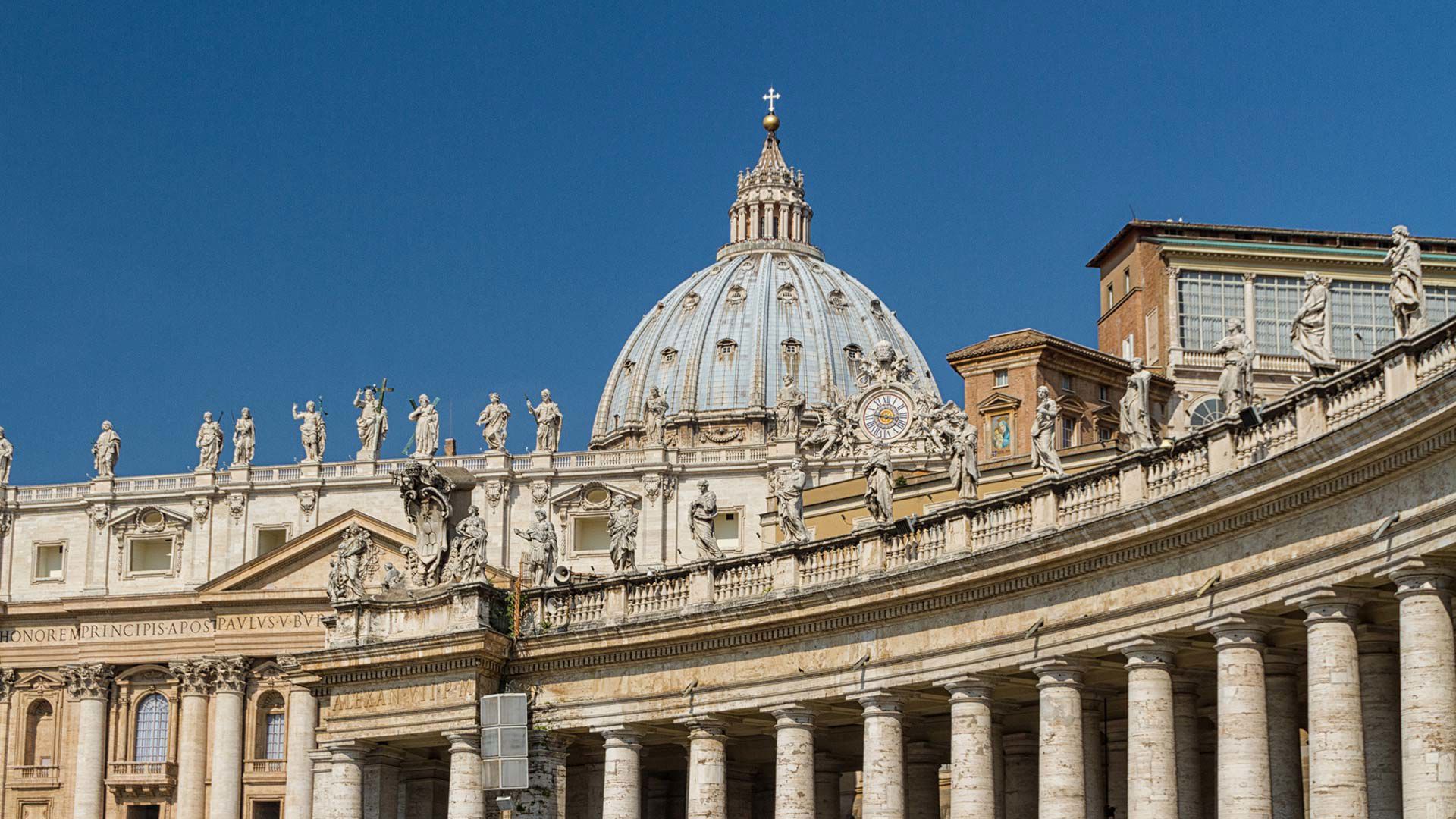
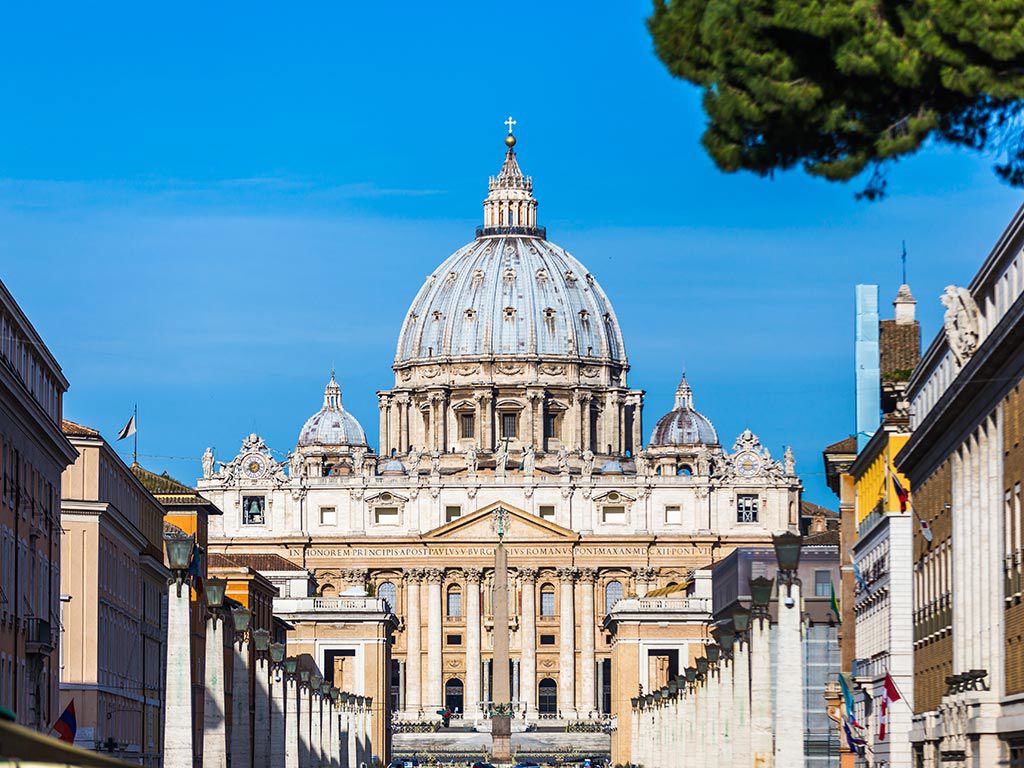
We are about a 10-minute walk from St. Peter's Square. St. Peter's Basilica can be reached from anywhere in the city by taking metro line A towards Battistini and getting off at the Ottaviano stop.
Walking along Via Ottaviano towards Piazza Risorgimento, we find ourselves in front of the walls of Vatican City.
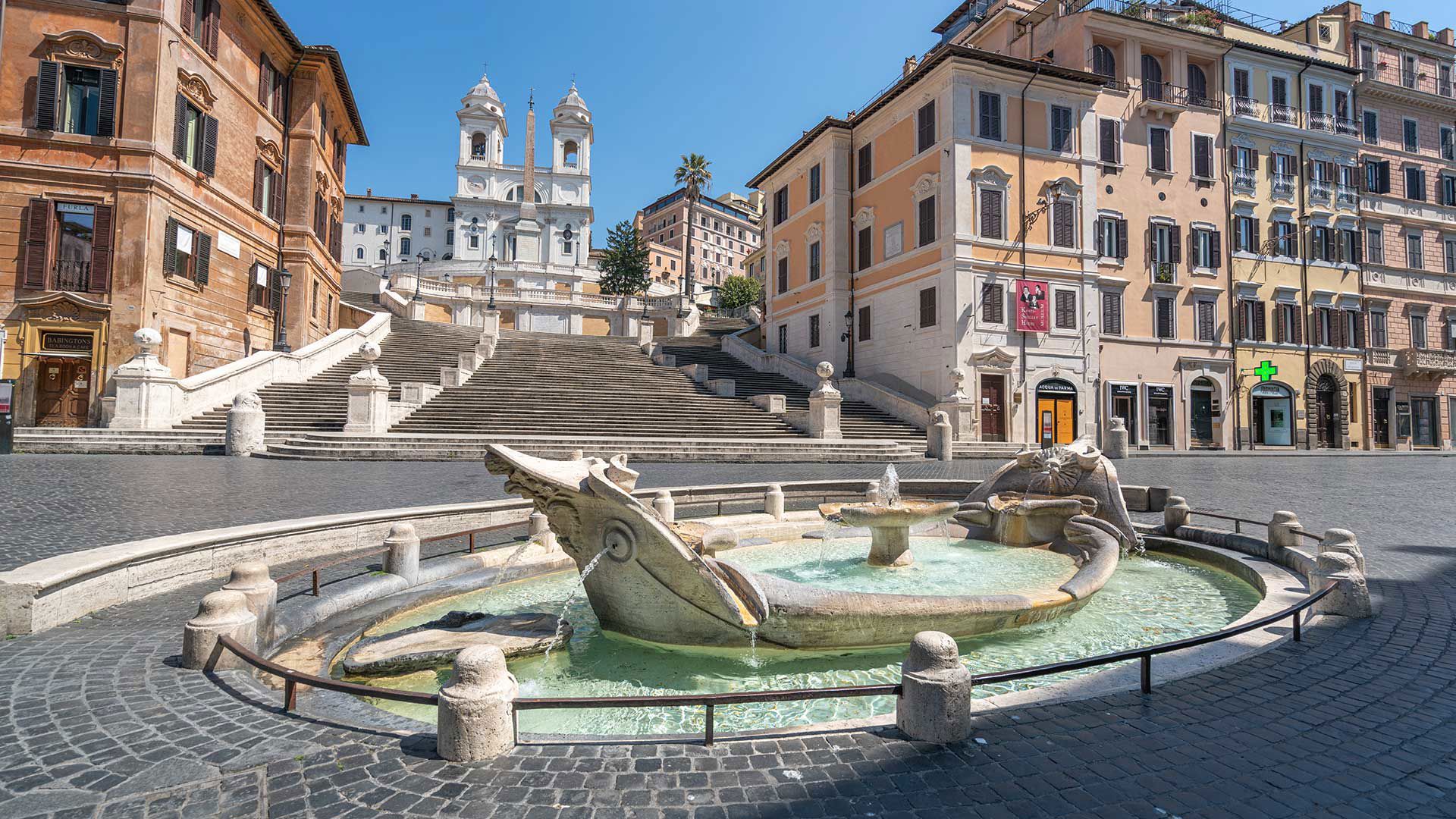
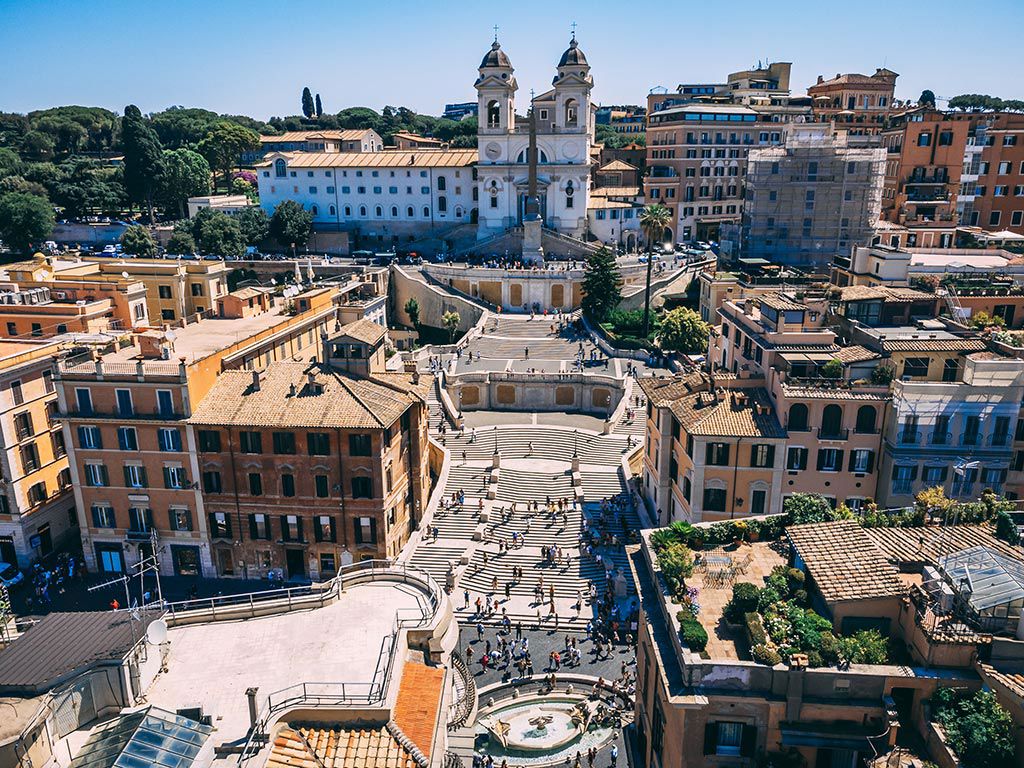
From piazza Barberini continue along via Sistina a very elegant street, with shops and its homonymous theater. Here opens up one of the most beautiful and characteristic streets of Rome: Trinità dei Monti. Continuing towards the Pinciowe come to Villa Medici. It was built around the end of the 16th century on behalf of Cardinal Ricci di Montepulciano, later the villa passed to Cardinal Ferdinando Dé Medici.
At the behest of the French, the French Academywas founded, located in the villa, so that young French talents could treasure the beauties and culture of antiquity and the Renaissance.
Even today, the selected artists spend three years of improvement there.
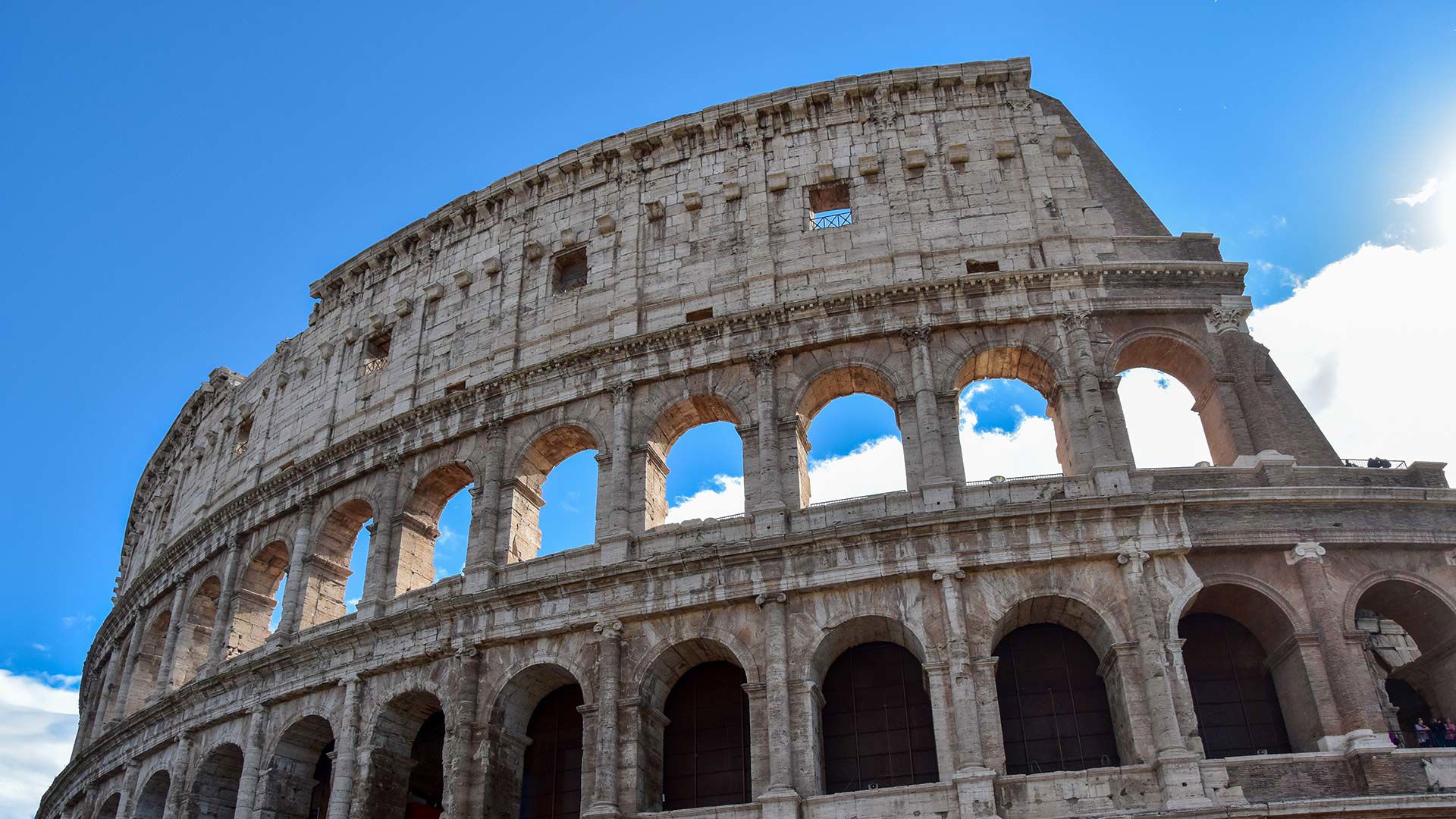
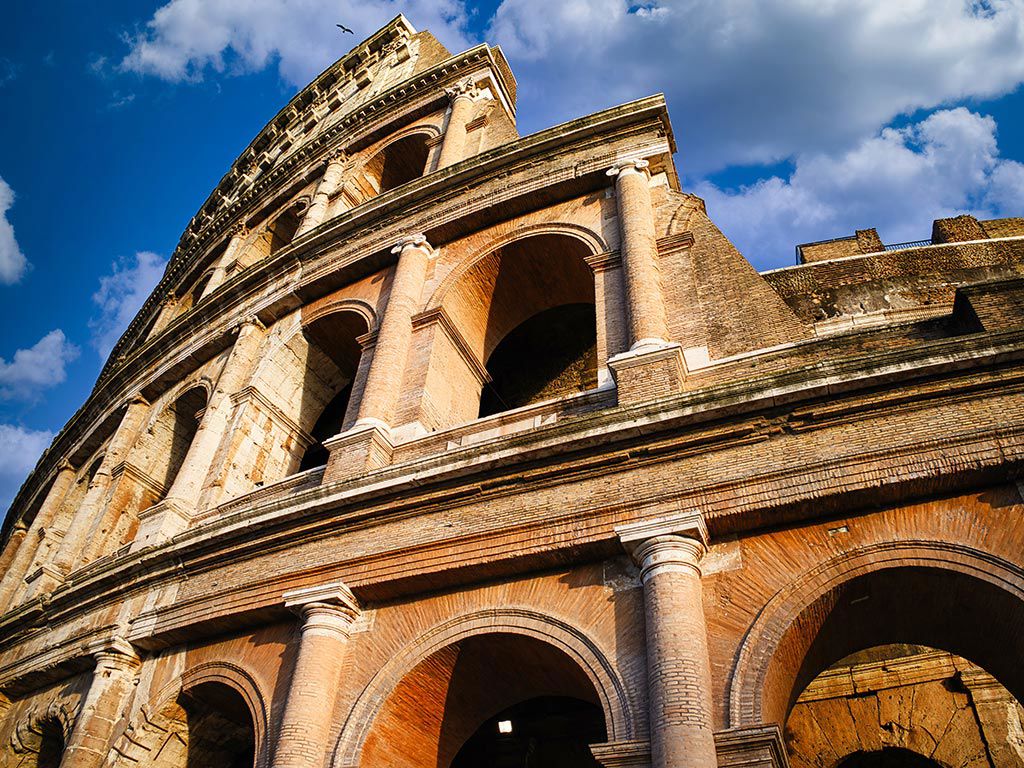
The most impressive building bearing witness to an ancient era is the Colosseumor Flavian Amphitheater, next to it are the Arch of Constantine and the Domus Aurea, Nerone’s residence.
To create the area of the Colosseum, the artificial lake that surrounded Nerone’svilla was drained. Vespasianhad it built in 72 A.D., brick, tuff and travertine from quarries near Tivoliwere used for its construction. From 80AD, the amphitheater remained open for about four hundred years.
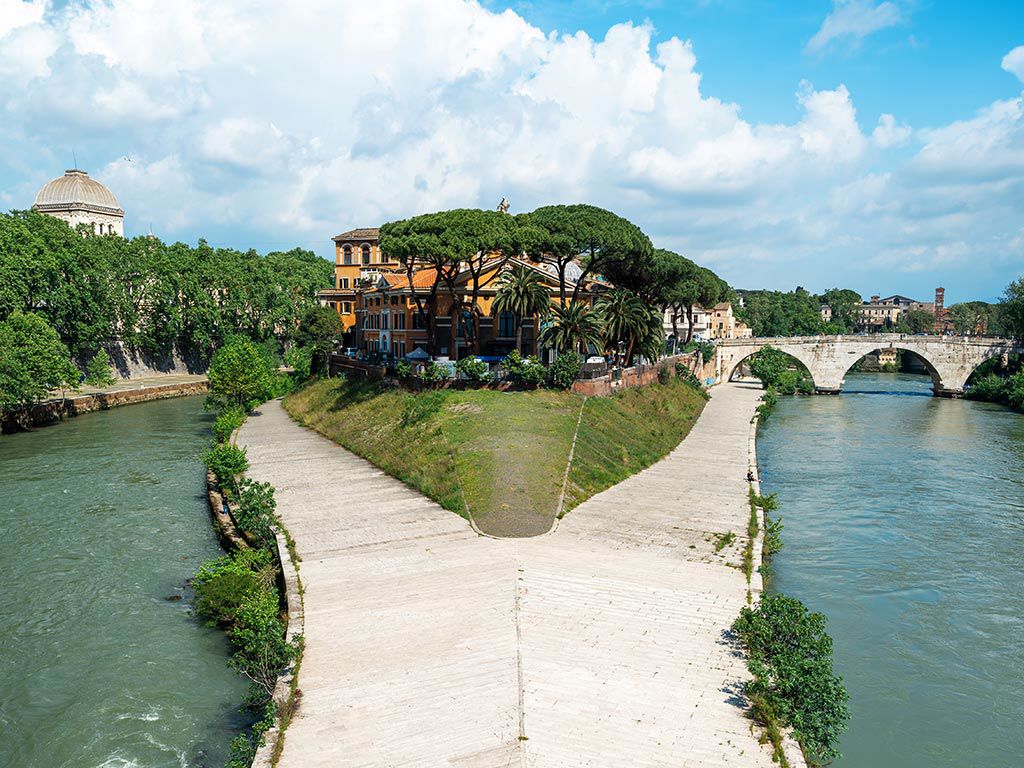
The Tiber Island is connected to Trastevere from Ponte Cestio and the ghetto area from Ponte Fabricio known as “Ponte Rotto“. Its elongated shape recalls that of a ship and the travertine buildings at both ends were comparable to the bow and stern.
Here once stood a temple dedicated to Aesculapius, god of medicine and protector against the plague, for a historical continuation, the Fatebenefratelli hospital is currently located here and on the ruins of the Temple of Aesculapius was erectedchurch of San Bartolomeo de Insula, located in the central square of the island, has been remodeled several times until it assumed its current Baroque appearance both inside and outside in the 1600s.
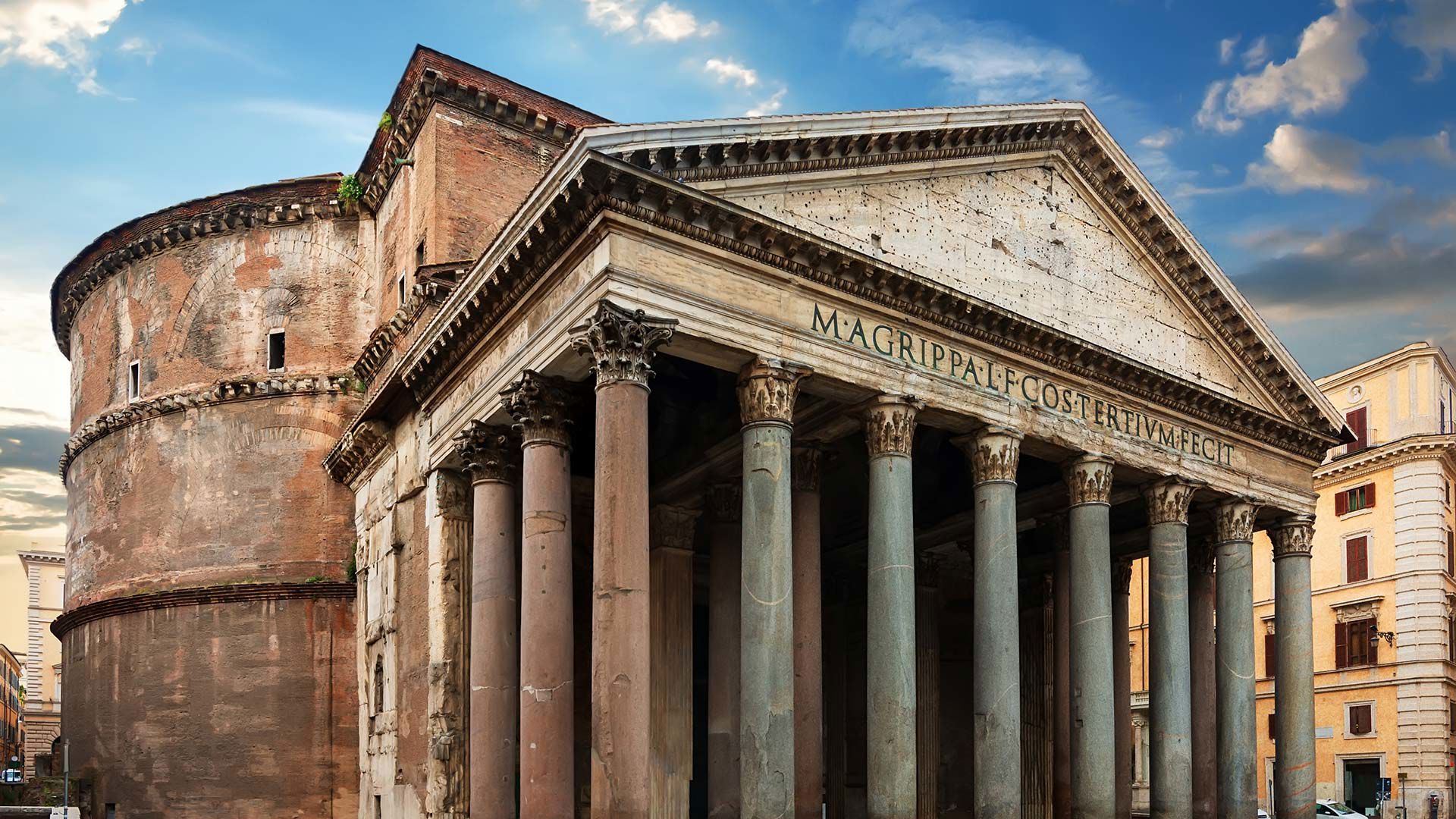
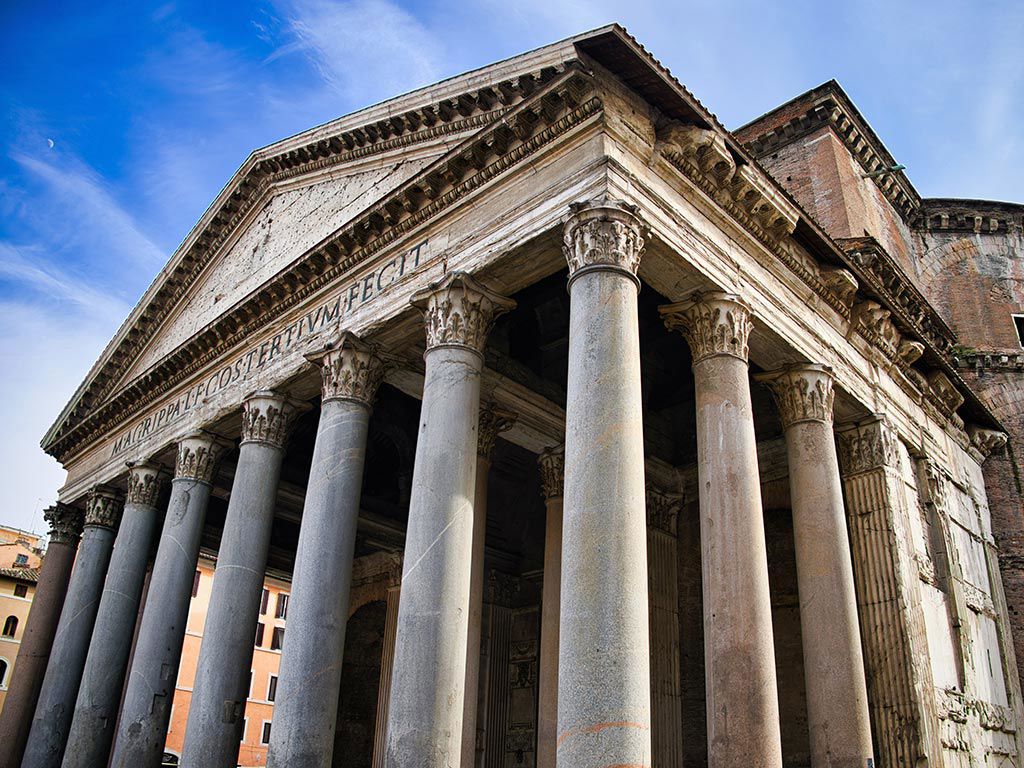
From via del Corsothrough narrow alleys, you reach the heart of the ancient Campo Marzio and mainly in Piazza della Rotonda. Here, for two millennia, stands the PANTHEONin front of a 16th century fountain with an Egyptian obelisk.
It is the best preserved Roman architectural work, the most imitated and to have maintained the religious function for which it was built. Emperor Hadrianwanted to replace it for the previous temple of Marcus Agrippa (burned and rebuilt several times), Augustus‘ son-in-law and architect. In the Middle Ages the temple, dedicated to all the gods, was converted into a church.
Trastevere derives from the Latin trans Tiberim, meaning “beyond the Tiber“. Here mainly artisans and small foreign traders who came to Romein search of fortune, attracted by the vicinity of the southern ports of the Tiberina Island, resided. Even today it retains the appearance of a popular neighborhood, even if the numerous craft shops have given way to pubs, pizzerias, cafes that are always frequented especially on summer evenings.
In the alleys and alleys, however, you can still breathe the air of ancient crafts and traditions, this fascinates and intrigues the visitor who, after crossing Ponte Garibaldi, meets the first Trastevere square dedicated to Giuseppe Gioacchino Belli, author of satirical sonnets in the Roman dialect.
L’Aventino è uno dei sette mitici colli su cui venne fondata Roma, una collina dalle pendici ripide che arriva a sfiorare il Tevere. Located south of the Circus of Maximus and east of the Tiber. In the Savellopark, better known as the Giardino degli Aranci, it is possible to reach a refined and wonderful terrace that overlooks the Tiberand dominates all the domes of Rome, primarily St. Peter’s Basilica.
From this corner, one of the most loved and popular in the city, you can enjoy one of the most beautiful views of Romeat all hours of the day and night.